Home Renovation Contractor: Transforming Your Vision Into Reality
A home remodeling contractor functions as a vital connection between a homeowner's dreams and the real-world challenges of construction. They combine innovative ideas with skilled execution, ensuring that work complies with building codes and safety standards. This working relationship can optimize the renovation workflow, but it also presents key factors to evaluate. Learning how to identify the best contractor and preventing common errors is fundamental to realizing a meaningful improvement in your residence. What important factors should homeowners be aware of?
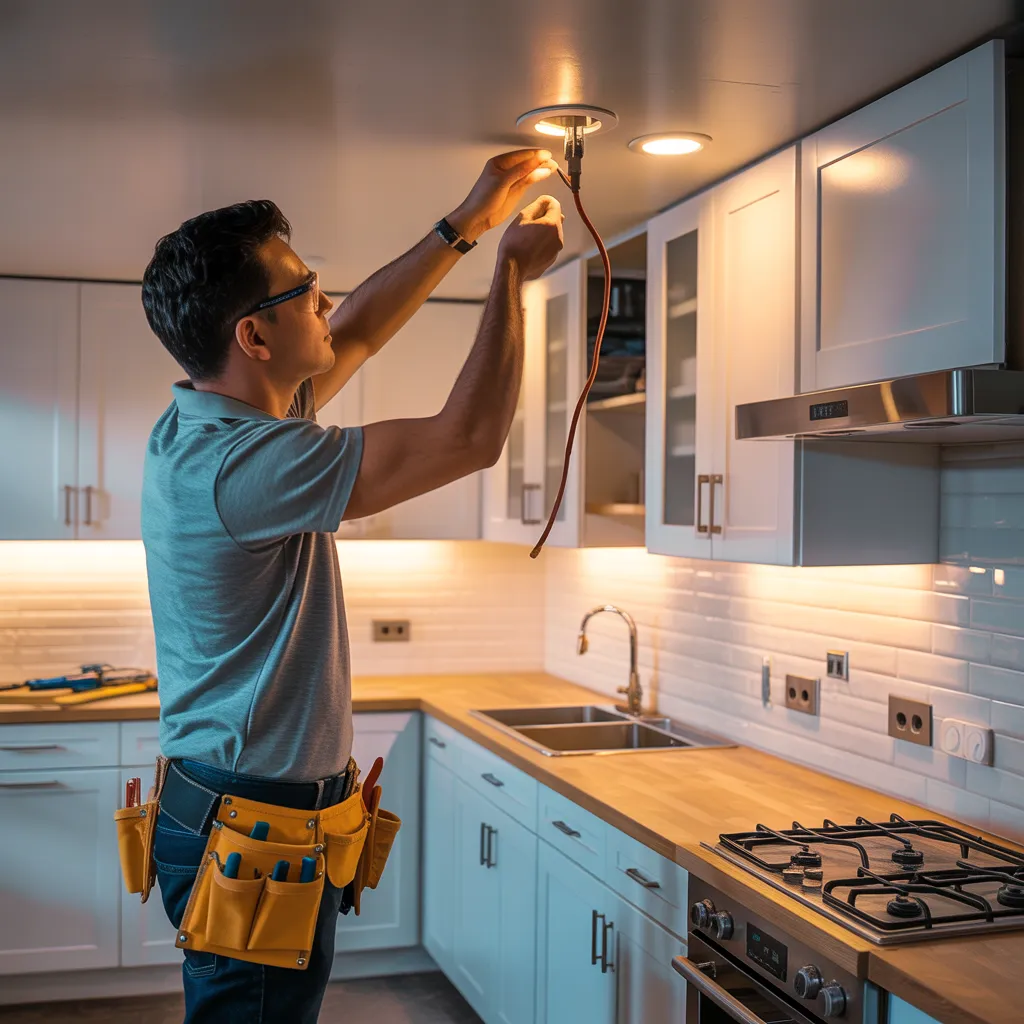
How a Home Renovation Contractor Can Be of Service to You
A home renovation contractor turns concepts into completed projects by leading homeowners through the intricate remodeling journey. They begin by reviewing the client's ideas, confirming that it corresponds with the practical aspects of the property. Through meticulous planning, contractors optimize the process, coordinating with various trades and suppliers to keep timelines and costs on track.
In addition, their proficiency aids in handling local regulations and acquiring the needed permits, minimizing potential legal issues. Home renovation contractors also deliver meaningful perspectives on current design trends and building materials, elevating the aesthetic appeal and functionality of the project. Their problem-solving skills are essential when unexpected challenges arise, allowing for quick adjustments without derailing the timeline.
At the end of the day, a home renovation contractor serves as a trusted advisor, making sure that the renovation project is streamlined and that the end result embodies the client's wishes while preserving safety and structural integrity.
Key Advantages of Working with a Home Renovation Contractor
Employing a professional renovation contractor provides notable benefits that can improve the remodeling process. Their expertise and experience assure that projects are finished efficiently and to a high standard. In addition, working with a skilled contractor can preserve both time and resources, rendering the entire renovation process less stressful for residential property owners.
Knowledge and Experience
Skill and expertise play a vital role when completing home renovation projects. Professional home renovation contractors carry specialized expertise that empowers them to manage challenging projects effectively. Their knowledge of local building codes and regulations ensures adherence, preventing costly delays or legal issues. Moreover, skilled contractors have a network of trusted suppliers and subcontractors, which can enhance the quality of materials and workmanship. This expert foundation enables them to anticipate possible obstacles, offering solutions that a homeowner might overlook. Ultimately, bringing on a professional contractor not only enhances the quality of the project but also instills confidence in the homeowner, knowing that their vision is in capable hands. Such expertise transforms ideas into tangible results, making the renovation process more efficient and rewarding.
Efficiency in Time and Cost
One of the main benefits of engaging a home renovation contractor is the considerable time and financial savings they bring to a project. Renovation contractors simplify the entire process by managing schedules, coordinating labor, and sourcing materials, which reduces delays and keeps the project on track. The strong supplier connections they maintain often translate into favorable material pricing, translating into cost savings for homeowners. Additionally, experienced contractors excel at identifying potential issues before they arise, minimizing unexpected expenses. Through the use of their professional knowledge, homeowners can avoid costly mistakes that may arise from inexperience. Ultimately, the investment in a home renovation contractor pays off through a more efficient renovation experience, making certain the project remains within budget and on schedule.
Essential Questions to Ask Before Hiring a Contractor
When hiring a home renovation contractor, it is crucial to consider key questions that can impact the outcome of the project. Reviewing their experience and expertise, checking licensing and insurance, and comprehending the project timeline and budget are critical steps in making an informed decision. Addressing these aspects can help facilitate a smooth renovation process.
Levels of Experience and Expertise
When starting on a home renovation project, recognizing a contractor's expertise and experience is vital for achieving quality results. Clients should ask about the contractor's years in the industry, kinds of work they have undertaken, and knowledge of applicable materials and methods. Examining a contractor's past projects can shed light on their style and quality of work. Furthermore, requesting references allows potential clients to gauge satisfaction levels from previous customers. It is equally important to discuss any specialized training or certifications that the contractor could have, as such credentials signal a devotion to quality work. In the end, a contractor's knowledge and skill strongly affect the renovation's outcome, making these inquiries vital before committing to a contractor.
Licensing and Insurance Verification
Verifying that a home renovation contractor maintains the proper licensing and insurance is vital for homeowners aiming to protect their property investment and minimize potential risks. A valid license demonstrates that the contractor has met local regulatory requirements, ensuring compliance with safety and building codes. Homeowners should verify the contractor's licensing status through state or local licensing boards to steer clear of potential legal problems.
Insurance policies, such as liability and worker's compensation, delivers fiscal safeguarding should there be injuries or damages during the renovation process. Homeowners are advised to ask for proof of insurance and verify its validity. By asking these vital questions, property owners can select a reliable contractor, safeguarding their project from unforeseen complications and guaranteeing peace of mind during the renovation journey.
Project Schedule and Financial Overview
A solid comprehension of the renovation timeline and budget is vital for homeowners thinking about a renovation. Before bringing on a contractor, key questions need to be addressed. Homeowners should ask about the estimated start and completion dates, including any potential setbacks and their origins. It is also necessary to discuss the overall budget, covering material expenses and labor charges, to prevent unforeseen costs. Homeowners should ask about payment plans and whether provisions exist for unexpected problems. Additionally, understanding how changes to the project may affect both timeline and budget is critical. By resolving these matters ahead of time, homeowners can guarantee a smoother renovation process and synchronize their goals with the contractor's expertise.
Picking the Ideal Home Renovation Contractor: Important Tips
What steps can homeowners take to navigate the frequently daunting process of choosing the best home renovation contractor? First, they should seek suggestions from acquaintances, relatives, or review websites to gather a list of potential candidates. Next, verifying credentials is essential; homeowners should ensure contractors maintain valid licenses, adequate insurance, and relevant expertise in the exact category of renovation being planned.
Scheduling interviews helps homeowners to assess professionalism and communication styles, which are critical signs of a effective working relationship. In these sessions, reviewing project timelines and budgets can clarify goals. It is also valuable to gather and review references from past clients, giving insight into the contractor's work quality and dependability.
Finally, gathering detailed written estimates from a number of contractors enables homeowners to compare options effectively. By following these steps, homeowners can effectively identify a contractor who suits their expectations and project specifications.
Understanding What to Expect in the Home Renovation Process
Upon starting a home renovation, homeowners will encounter a complex process that progresses through multiple phases. It begins with a complete consultation where homeowners express their visions and requirements. This portion commonly entails discussing aesthetic preferences, building materials, and project timelines.
Subsequent to the consultation, the contractor will create thorough timelines and project outlines, allowing for an methodical process for the remodel. Upon approval, the work enters the building stage, when structural modifications, demolition, and installations take place. Homeowners should anticipate certain inconveniences, as living arrangements may be affected.
Consistent communication is crucial across the renovation project to manage any unanticipated challenges or modifications. In the concluding stages, as the renovation approaches its final phase, finishing touches such as painting and decorating will be carried out. Ultimately, clients can look forward to a collaborative process that converts their preliminary ideas into a realized result, demanding confidence and patience in their selected contractor.
How to Plan a Budget for Your Home Renovation
Creating a budget for a home renovation requires careful planning and consideration. Initially, homeowners should define the scope of the project, specifying particular renovations and expected results. This level of clarity aids in setting a realistic budget. Next, examining costs for materials, labor, and permits is crucial. Collecting several quotes from contractors can offer a clearer picture of potential costs.
It is furthermore prudent to establish a financial buffer, typically 10 to 20 percent of the entire budget, to prepare for unanticipated expenditures. Home renovators should prioritize their remodeling objectives, identifying the difference between needs and wants, which can support smart determinations if budget constraints arise.
Ultimately, tracking expenses throughout the renovation process confirms that costs stay in line with the initial budget. By following these steps, property owners can build a well-structured fiscal roadmap that backs their renovation goals while minimizing surprises as the renovation progresses.
Key Renovation Mistakes You Should Avoid
When beginning a home renovation, homeowners often overlook key details that can cause costly mistakes. One common error is failing to accurately estimate the budget, which can result in partially completed projects or hurried choices. Furthermore, overlooking the need for proper permits can cause regulatory problems and financial penalties.
Another common mistake is neglecting to plan for the project timeline, causing unnecessary delays and frustration. Homeowners often examine guide overlook the importance of hiring qualified contractors; substandard workmanship can undermine the quality and safety of the renovation.
In addition, choosing trendy designs over timeless ones can lower a home's overall value. As a final point, inadequate communication with contractors can create miscommunications and unmet expectations. By recognizing and avoiding these pitfalls, homeowners are able to guarantee a smoother remodeling process, ultimately realizing their vision without unnecessary setbacks.
Popular Questions We Receive
What Is the Typical Duration of a Home Renovation Project?
A typical home renovation project usually takes from a few weeks up to several months, depending on the overall complexity of the project, the size of the area being renovated, and how readily available materials and labor are.
What Permits Do You Need for Home Renovations?
Remodeling projects generally necessitate various permits, such as building, electrical, plumbing, and zoning permits. The particular requirements are determined by local rules and the overall scope of the project, making it essential to check with local authorities to guarantee compliance before commencing work.
Can I Remain in My House Throughout the Renovation Process?
Absolutely, it is possible to live in their home during renovation work, but it often causes discomfort and disruption. Key factors to keep in mind are the scope of the project, potential safety hazards, and availability of necessary amenities during the remodeling period.
What Should You Expect if Unexpected Challenges Come Up During Renovation?
Unforeseen problems during renovation can lead to cost overruns, postponements, and changes to the project's original scope. Contractors typically assess the problem, discuss matters with the homeowners, and suggest remedies to make certain the project moves forward efficiently despite setbacks.
How Can I Keep My Home in Good Shape After Renovations?
To preserve a home's condition after renovations, consistent inspections, proper cleaning, and timely maintenance are crucial. Property owners should inspect surfaces, look for leaks, and service HVAC systems to protect the home's look and function for years to come.